Helvetica is the default choice for clean design, but its ubiquity is exactly why many designers are looking for Helvetica alternatives for minimalist branding. When every company from tech startups to fashion labels uses the same neo-grotesque typeface, your brand identity blends into the background. Finding a fresh sans-serif gives you that same crisp, uncluttered aesthetic while keeping your visual identity distinct and ownable.
Why do brands move away from Helvetica for minimalist designs?
Minimalist branding relies on negative space, strict grids, and highly legible typography. Helvetica handles this well, but it comes with heavy licensing fees and a lack of originality. Designers often need a typeface that feels just as objective and neutral but offers better screen rendering, wider language support, or slightly more geometric proportions. Moving away from the industry standard allows a brand to maintain a stripped-down look without looking like a corporate template.
What makes a typeface work for minimalist brand identity?
A good minimalist font strips away unnecessary ornamentation. You want uniform stroke widths, open apertures, and a large x-height for readability at small sizes. While Helvetica is a neo-grotesque, many modern brands prefer exploring modern geometric options to add a subtle touch of warmth and structure to their layouts. These contemporary styles maintain the clean lines required for minimalism but introduce perfect circles and straight edges that feel a bit more approachable on digital screens.
Which specific fonts offer a clean look without the standard baggage?
If you need a direct replacement that mimics the neutral tone of the original, Inter is a strong choice built specifically for computer screens. It shares the same utilitarian DNA but optimizes character shapes for user interfaces. For something with a bit more personality that still reads as highly minimal, Satoshi provides a modern, slightly geometric edge. If you are looking to compare more fonts similar to the classic Swiss style, checking out other contemporary sans-serifs can help you find the exact weight and spacing your project needs.
What are the most common mistakes when picking a minimalist sans-serif?
The biggest error is choosing a font that is too geometric for long-form text. Perfectly circular letters look great in a massive logo, but they reduce reading speed in body paragraphs. Another mistake is ignoring the font's weight variants. A minimalist design often relies heavily on a single typeface, so you need a family with a true light weight for elegant headers and a solid bold for clear hierarchy. Finally, designers sometimes forget to check the punctuation and symbol sets, which can look clumsy if the type designer did not refine the ampersands or quotation marks.
How do you test a new typeface before committing to it?
Never judge a font by its specimen sheet. Type out your actual brand name, your core value proposition, and a standard paragraph of your website copy. View these samples on a mobile screen, a desktop monitor, and printed on paper. Pay attention to how the letters kern naturally and whether the spacing feels too tight or too loose. If you want a deeper breakdown of how to match these styles to your specific visual goals, reviewing specific minimalist branding applications will show you how different weights behave in real-world layouts.
Next steps for finalizing your typography
- Check the license: Verify if the font requires a paid commercial license for web embedding and app usage before falling in love with it.
- Test extreme weights: Set a headline in the lightest weight and a disclaimer in the heaviest weight to ensure the family holds up at both ends of the spectrum.
- Review the numerals: Minimalist brands often use large numbers for pricing or statistics. Make sure the font includes tabular figures so your numbers align perfectly in columns.
- Pair with a single serif: If your minimalist brand needs a secondary font for long-form editorial content, pick a highly legible serif that shares the same x-height as your chosen sans-serif.
 Modern Alternatives to Helvetica's Geometric Form
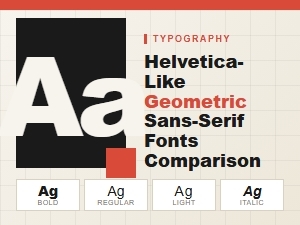 A Guide to Modern Geometric Sans-Serif Fonts
 The Top Modern Geometric Sans Alternatives
 Helvetica Versus Modern Geometric Sans Typefaces
 The Rise of Modern Geometric Sans Serifs
 Budget-Friendly Alternatives to the Classic Helvetica